
“Nagsalita na si Vice Ganda tungkol sa mga taong humihiling ng public apology mula sa kanya ngunit ang kanyang naging sagot ay lalo lamang nagpasiklab ng usapan online.”
The online world once again found itself buzzing with discussions after Vice Ganda finally addressed the growing calls from some netizens demanding a public apology from the well-known television personality. What many expected to become a calm and straightforward clarification unexpectedly turned into an even bigger topic online after Vice Ganda’s response sparked mixed reactions across social media platforms.
For several days, countless users online had been sharing their opinions regarding a recent controversy linked to the comedian and television host. While some supporters defended Vice Ganda and argued that the situation was being exaggerated, others insisted that a public figure carries a certain level of responsibility when issues gain public attention. Because of this, the pressure for a formal statement slowly intensified as conversations continued to spread online.
As one of the most recognizable personalities in Philippine entertainment, Vice Ganda has long been known for humor, honesty, and the ability to connect with audiences through comedy and emotional storytelling. Over the years, the celebrity has built a massive fan base not only because of entertaining performances but also because of relatable life experiences that many people admire. However, fame also comes with constant scrutiny, especially in today’s digital age where every statement, reaction, or silence can instantly become headline material.
The situation quickly escalated when clips and screenshots related to the issue began circulating online. Social media users debated whether the comedian should issue a formal apology or simply move forward without adding more fuel to the discussion. Some believed that remaining silent would only increase public curiosity, while others argued that not every controversy requires a dramatic public response.
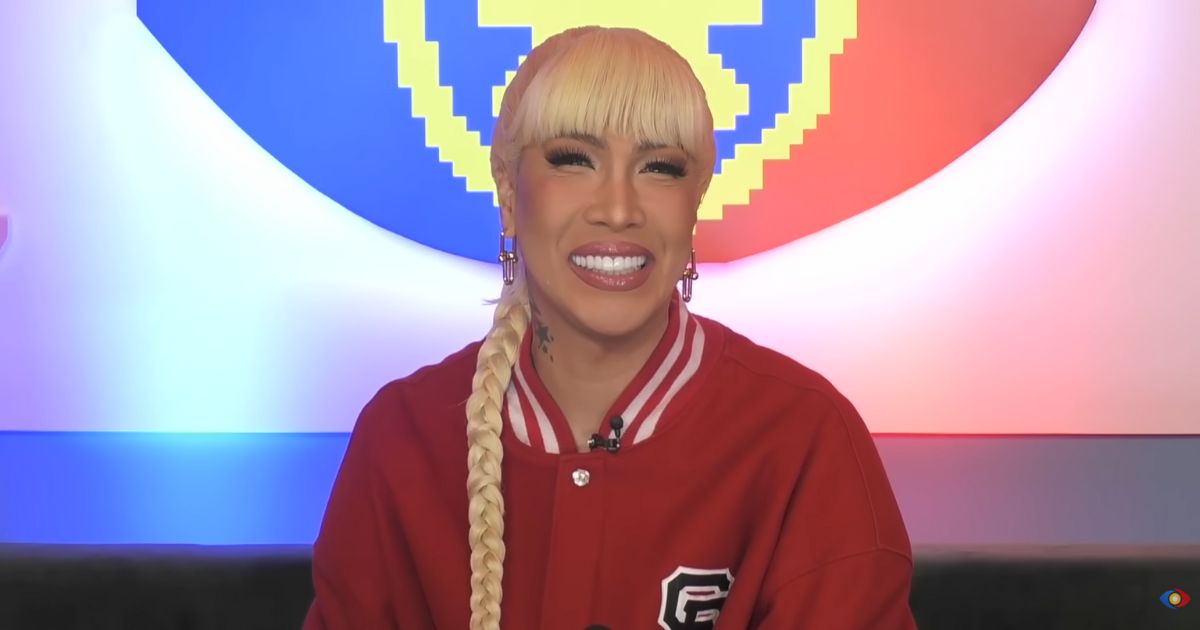
Eventually, Vice Ganda decided to speak publicly about the issue. During an interview and through statements shared online, the television host addressed the growing demand for an apology. However, instead of calming the situation, the response immediately became another source of intense online debate.

According to many netizens, Vice Ganda’s remarks sounded confident and firm rather than emotional or defensive. Supporters praised the celebrity for staying composed despite the mounting criticism. They admired how Vice Ganda chose to explain personal thoughts clearly without appearing overly aggressive. For loyal fans, the response reflected authenticity and emotional maturity.
On the other hand, critics claimed that the statement lacked the sincerity they had been expecting. Some online users interpreted the response differently, saying that it felt more like a justification than an acknowledgment of public concern. Because of these divided opinions, hashtags connected to the issue quickly trended online as thousands of users joined the discussion.
The situation once again highlighted how powerful social media has become in shaping public perception. In previous years, controversies involving celebrities often faded after a few days. Today, however, every reaction can instantly be analyzed, reposted, edited, and debated by millions of users. A single statement can create entirely different interpretations depending on who is reading or watching it.
Many entertainment observers pointed out that public apologies have become increasingly common in modern celebrity culture. Whenever a public figure becomes involved in controversy, audiences often expect an immediate statement expressing accountability, explanation, or regret. Some people believe this promotes responsibility among influential personalities, while others think online culture sometimes pressures celebrities into apologizing even before the full context becomes clear.
In Vice Ganda’s case, supporters argued that the comedian had every right to explain personal feelings honestly instead of simply delivering a scripted apology to satisfy public pressure. They emphasized that sincerity matters more than giving a statement merely because social media demands it. According to fans, authenticity has always been one of Vice Ganda’s strongest qualities, which is why many people continue to support the celebrity despite controversies.
Meanwhile, critics argued that celebrities should remain sensitive to how their words and actions affect audiences. Because public figures influence millions of people, some netizens believe accountability should always come first whenever misunderstandings arise. For these users, public reactions are not simply about criticism but about encouraging responsibility from influential personalities.
The controversy also opened a wider conversation about cancel culture and online judgment. Many users observed how quickly social media discussions can become emotionally charged. Within hours, opinions become divided into opposing camps, with one side defending a celebrity while another demands accountability. Unfortunately, meaningful conversations sometimes get overshadowed by emotional reactions and harsh comments.
Some netizens expressed concern about how quickly people rush to conclusions online. They pointed out that many users react based only on short clips or incomplete information without understanding the full story. Because of this, misunderstandings can grow larger than the original issue itself. Several supporters of Vice Ganda reminded others to remain careful before making harsh judgments against anyone online.
Others, however, argued that public discourse is important because celebrities hold significant influence over society. They believe audiences have the right to express disappointment whenever they feel hurt or offended by something involving a public personality. For them, asking questions or requesting clarification should not automatically be viewed as negativity.
As discussions continued, many fans noticed that Vice Ganda remained relatively calm despite the ongoing criticism. Instead of responding emotionally to every comment online, the comedian appeared focused on explaining personal views while continuing professional responsibilities. This composure earned praise from supporters who admired the ability to handle pressure without escalating the conflict further.
Several online personalities and entertainment commentators also shared their thoughts regarding the issue. Some believed Vice Ganda’s response was honest and refreshing because it avoided overly dramatic language. Others felt that the statement could have been softer to avoid additional misunderstandings. Regardless of differing opinions, nearly everyone agreed that the controversy reflected the complicated relationship between celebrities and public expectations today.
The incident also sparked conversations about how apologies are perceived in modern media culture. In some cases, people expect emotional statements filled with visible regret. In other situations, audiences prefer direct honesty rather than carefully scripted public relations responses. Because every individual interprets sincerity differently, public reactions often become impossible to predict.
For many supporters, Vice Ganda’s response demonstrated confidence and self-awareness. They argued that not all criticisms require surrendering personal beliefs simply to satisfy online demands. Some fans even praised the comedian for refusing to let negativity dictate every public statement. According to them, standing firm while remaining respectful can also be a form of maturity.
Meanwhile, others continued insisting that celebrities should prioritize empathy whenever controversies arise. They argued that even if misunderstandings were unintentional, acknowledging public concerns can help prevent division and hostility online. Some users said they were not demanding perfection but simply hoping for a more emotionally reassuring response.
As the issue continued trending, countless discussions emerged about the emotional pressures faced by celebrities in the digital era. Public figures today live under constant observation where even casual comments can suddenly become major controversies. Many users admitted that being famous now comes with enormous psychological pressure because every action is instantly evaluated by millions of strangers online.
Some supporters defended Vice Ganda by reminding others about the celebrity’s long history of inspiring audiences through humor, kindness, and motivational life stories. Over the years, many fans have connected deeply with the comedian’s journey from hardship to success. Because of this emotional connection, supporters feel protective whenever criticism intensifies online.
At the same time, critics maintained that admiration for a celebrity should not prevent constructive discussions. They emphasized that supporting someone should still allow room for accountability and reflection. According to them, balanced conversations are healthier than blindly defending or attacking public figures.
The controversy also revealed how emotionally invested audiences become in celebrity culture. Fans often feel personally connected to entertainers they admire for years. As a result, controversies involving those personalities can trigger strong emotional reactions from both supporters and critics alike. Social media amplifies these emotions because everyone can instantly participate in public discussions.
Many users observed that online arguments surrounding celebrities rarely stay limited to the original issue. Instead, discussions often expand into larger debates about respect, responsibility, freedom of expression, and public expectations. In Vice Ganda’s case, what began as calls for a public apology eventually evolved into broader conversations about celebrity accountability and online culture itself.
Another important aspect highlighted by the controversy was the challenge of communication in the digital age. Tone and intention can easily be misunderstood online, especially when short video clips or edited screenshots circulate without complete context. Because audiences interpret statements differently, even carefully chosen words may still trigger conflicting reactions.
Entertainment analysts also noted that controversies often grow larger because algorithms reward engagement. The more people react emotionally, comment, or share opinions, the more visibility the issue receives online. This creates a cycle where controversies remain active longer than they might have in previous years. As a result, celebrities frequently face prolonged public attention even after clarifying their side.
Despite the heated debates, many netizens encouraged respectful conversations instead of personal attacks. Some users reminded others that celebrities are still human beings capable of making mistakes, learning, and growing. They argued that criticism should remain constructive rather than turning into hostility or online harassment.
Others stressed the importance of empathy from all sides. While public figures should understand audience concerns, audiences should also recognize the emotional burden that constant scrutiny can place on celebrities. Healthy discussions, according to many users, should involve understanding rather than hatred.
Throughout the controversy, Vice Ganda’s supporters continued expressing admiration for the comedian’s resilience. Many fans said they appreciated how the television host stayed calm despite intense public attention. They believed the celebrity’s confidence came from years of experience navigating both praise and criticism in the entertainment industry.
Meanwhile, neutral observers pointed out that controversies like this reveal how difficult it is to satisfy everyone online. No matter how a celebrity responds, different groups will interpret the situation through their own perspectives and expectations. Because of this, public figures often face criticism whether they remain silent or choose to speak openly.
As days passed, discussions surrounding the issue gradually shifted from anger toward reflection. Some netizens began focusing less on demanding apologies and more on understanding the complexities behind public controversies. Others reflected on how quickly online communities can become divided over incomplete information or emotional reactions.
The situation also served as a reminder about the importance of responsible social media use. Many users encouraged people to verify information carefully before spreading claims or joining heated discussions. In an era where misinformation spreads rapidly, patience and critical thinking have become increasingly important.
For longtime supporters, the controversy did little to change their admiration for Vice Ganda. Many emphasized that one issue should not erase years of contributions to entertainment and inspiration. Fans continued sharing positive messages online while hoping the discussions would eventually calm down.
Critics, however, maintained that public conversations about accountability remain necessary. They argued that influential personalities shape cultural conversations and therefore should remain mindful of public reactions. Even so, several critics acknowledged that discussions should stay respectful rather than becoming unnecessarily harsh.
Ultimately, the controversy surrounding Vice Ganda reflected more than just a disagreement over an apology. It became a mirror of modern online culture where celebrity actions, public expectations, emotional reactions, and digital communication constantly intersect. In today’s world, a single statement can instantly create waves of interpretation across millions of users.
Whether people agreed or disagreed with Vice Ganda’s response, one thing became clear: the issue sparked meaningful discussions about accountability, authenticity, empathy, and the realities of living under public attention. It also reminded many people that social media conversations are rarely simple. Behind every trending topic are real individuals, emotions, and perspectives that deserve careful understanding.
As online discussions slowly continue evolving, many fans and observers hope that the focus will eventually shift toward healthier conversations instead of division. In the end, controversies may come and go, but the lessons about respect, empathy, and responsible communication remain important for everyone — celebrities and audiences alike.
For now, Vice Ganda remains one of the most talked-about personalities online, proving once again how influential and closely watched public figures have become in the age of social media. Whether praised or criticized, every statement carries weight, and every response shapes public perception in powerful ways.
The situation may eventually fade from headlines, but the conversations it created about celebrity culture and online behavior will likely continue for a long time. And as netizens keep sharing opinions across different platforms, one important reminder continues to stand out: behind every trending issue is a human story that deserves understanding, balance, and compassion.
News

ANG BALITA NA MUNTIK NG SUMIRA SA CAREER NI KARA DAVID? BAKIT HINDI ITO ALAM NG PUBLIKO?
ANG BALITA NA MUNTIK NG SUMIRA SA CAREER NI KARA DAVID? BAKIT HINDI ITO ALAM NG PUBLIKO? Sa mundo ng…

ANG PAGTATALO NG MGA KAIBIGAN NI MEME AT NG TROPA NI TUTOY MULA SA TAMBUNTING AY NAGPAPA-DRAMATIKO SA KWENTO
ANG PAGTATALO NG MGA KAIBIGAN NI MEME AT NG TROPA NI TUTOY MULA SA TAMBUNTING AY NAGPAPA-DRAMATIKO SA KWENTO, LALO…

Biglang naging magulo ang online atmosphere dahil sa patuloy na paglabas ng mga detalyeng umano’y may kaugnayan kay Ron Angeles
Biglang naging magulo ang online atmosphere dahil sa patuloy na paglabas ng mga detalyeng umano’y may kaugnayan kay Ron Angeles,…

Hindi inaasahang naging matamis ang atmospera nang magbigay si Kris Lawrence ng isang espesyal na regalo kay Katrina Halili, dahilan para maniwala ang marami na ang kanyang reaksyon ang nagsabi ng lahat!
Hindi inaasahang naging matamis ang atmospera nang magbigay si Kris Lawrence ng isang espesyal na regalo kay Katrina Halili, dahilan…

SINASABI NA MALAKI ANG PAGBABAGO NG BUHAY NG MGA ANAK NI FRANCIS M. MATAPOS ANG PAGKAWALA NG ALAMAT
SINASABI NA MALAKI ANG PAGBABAGO NG BUHAY NG MGA ANAK NI FRANCIS M. MATAPOS ANG PAGKAWALA NG ALAMAT, AT ANG…

Sa wakas ay binasag na ni Catherine Luna ang kanyang mahabang pananahimik tungkol kina Coco Martin at Julia Montes
Sa wakas ay binasag na ni Catherine Luna ang kanyang mahabang pananahimik tungkol kina Coco Martin at Julia Montes, ang…
End of content
No more pages to load