
THE TRICYCLE OF TERROR: A Mother’s TikTok Dreams Ends in a Plastic Box of Death
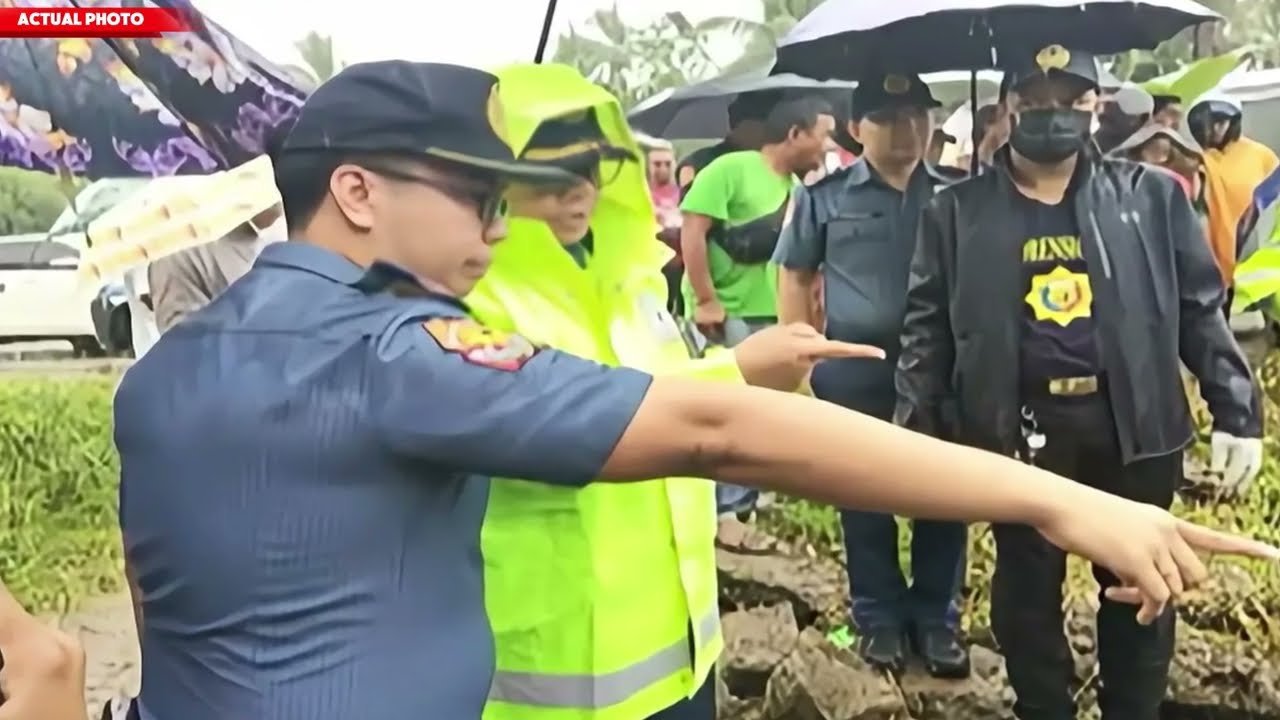
BASUD, CAMARINES NORTE — The first light of January 2, 2026, did not bring the hope of a New Year to the quiet riverbanks of Barangay Pinagwarasan. Instead, it brought a vision of pure, unadulterated horror. As the morning mist clung to the water at 4:30 AM, residents heard the sickening sound of something heavy being dragged across the concrete of the bridge. Then, the roar of an engine. A vehicle vanished into the shadows, leaving behind a silent, floating witness.
Bobbing in the murky waters was a common household item turned into a vessel of nightmares: a black plastic storage box. When police and forensic teams finally pried it open, the stench of betrayal filled the air. Inside, crammed like a discarded toy, was the body of a woman. She was wrapped in a bedsheet, her skin already discolored, her life snuffed out in a cold, calculated act of disposal.
This is the investigation into the death of Annalise Abamonga Agokoy, the 38-year-old TikToker whose journey for a better life ended in a 300-kilometer odyssey of death.
The Silent Tattoos: A Digital Clue
For forty-eight hours, the victim was “Jane Doe.” She was less than five feet tall, wearing white and black leggings, with no ID and no voice. But she left behind a map of her soul: distinct tattoos on her chest, shoulder, and leg.
In the age of social media, secrets have a short shelf life. As photos of the tattoos went viral on Facebook and TikTok, the “Cyber Marites” (online sleuths) went to work. The tags began to fly. One name kept appearing: @annie1627. It was her. Annalise, a factory worker from Camiguin who hadn’t been home in 12 years because she couldn’t afford the fare, was now the face of a national tragedy.
The Witness: A Driver’s Guilt
The breakthrough came when a terrified tricycle driver stepped forward. His testimony reads like a thriller. At 4:00 AM on that fateful morning, he was hired at the Daet terminal by a man in a black jacket. The man needed help lifting a “heavy box.”
“I thought it was groceries,” the driver told investigators, his voice trembling. “He told me it was mechanical tools and fragile items. I helped him lift it. I didn’t know I was carrying a corpse.”
The driver dropped the man and his “heavy cargo” at a bridge in Basud. The passenger claimed someone was meeting him there. It was a lie. The only thing meeting him there was the dark water of the river.
The Trail of CCTV: A 300-Kilometer Grave
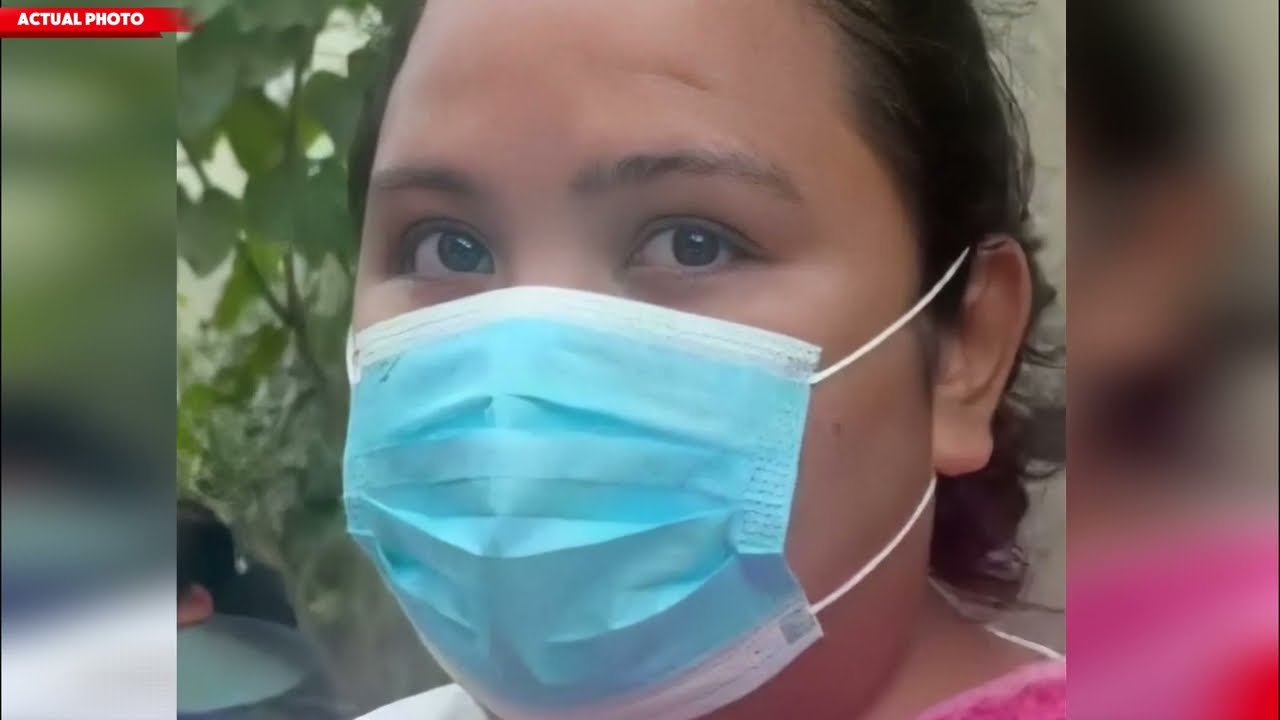
Investigators traced the killer’s path backward, uncovering a chilling logistics chain. The suspect didn’t just kill; he transported.
Cabuyao, Laguna: The suspect is caught on camera at a mall buying the very tape used to seal the box.
Turbina Terminal: He convinces a bus conductor to let him load the box for free, claiming he is a poor mechanic heading home to Bicol.
The 8-Hour Bus Ride: For hundreds of kilometers, passengers sat mere feet away from a decomposing body hidden in a plastic bin.
The Suspect: A Shadow Named Arnel
The investigation converged on one man: Arnel Domingo Jr., a security guard and Annalise’s live-in partner. The evidence was overwhelming. The bedsheet used to wrap her? Her cousin recognized it from their apartment. The storage box? It was the same one Arnel used for his clothes.
Behind the closed doors of their Laguna apartment, the “New Year” had been a bloodbath. Neighbors reported “shaking walls” and the sound of breaking glass. Annalise had been planning to leave. She was tired of the fights. She had even met someone new.
The Confession: “It Was an Accident”
Under the pressure of a nationwide manhunt, Arnel surrendered in Batangas. His defense? A Crime of Passion. He claimed they fought because Annalise had gone to another man on New Year’s Eve. He claimed she attacked him with a bottle, and he “only pushed her.”
But the autopsy tells a more sinister story. The cause of death was Asphyxia by Suffocation. The chilling theory? Annalise might have still been alive when Arnel forced her into that box. As he dragged her across terminals and loaded her onto buses, she may have been gasping for her final breaths in the dark, suffocated by the very man who claimed to love her.
A Legacy in Plastic
Annalise Agokoy left Camiguin 12 years ago to escape poverty. She worked the factory lines of Laguna to build a future. Instead, she was sent back to her home region not in a bus seat, but in the cargo hold.
The suspect now sits behind bars, facing the weight of his “mechanical tools”—a life he extinguished in a fit of alcoholic rage and jealousy. The river in Basud has cleared, but the image of that black storage box remains etched in the memory of a nation.
News

Mga Aktres na Pumanaw sa Edad na Halos 100 Years old!
Mga Alamat ng Pelikulang Pilipino na Pumanaw sa Katandaan: Nakakaiyak na Kuwento ng mga Aktres na Minsang Naghari sa Silver…

Tunay Na Rason Bakit Iniwan Sila Ng Unang Asawa!
Tunay Na Rason Bakit Iniwan Sila Ng Unang Asawa! Milyon-milyong mga Pilipino ang tumututok araw-araw sa buhay ng mga sikat…

“It Takes Two” Legend Pumanaw: Mundo ng Hip-Hop Nagluksa sa Biglaang Pagkawala ni Rob Base
“It Takes Two” Legend Pumanaw: Mundo ng Hip-Hop Nagluksa sa Biglaang Pagkawala ni Rob Base Nagluksa ang mundo ng musika…
CONGRATULATIONS, ANGELIQUE AND DAVID!
“A Preview of the Best Day of Our Lives” — Angelique Manto at David Guison, Pinaiyak ang Netizens sa Kanilang…

VIDEO ni Alex Gonzaga SUMASAYAW habang BUNTIS ipinakita ni Toni Fowler!!
“Akala Mo Ako Yung Ama!” — Toni Fowler, Emosyonal sa Viral Video ni Alex Gonzaga Habang Ipinapakita ang Baby Bump…

KATRINA BINISITA SI KRIS SA BAHAY DAHIL MAY SAKIT
“Parang Bumilis Recovery Ko…” — Kris Lawrence, Kinilig ang Fans Matapos Alagaan ni Katrina Halili Habang May Sakit! Mga Sweet…
End of content
No more pages to load