
THE TULFO DECEPTION: Anatomy of a Digital Assassination

The silence of a Sunday afternoon in Manila was shattered not by a storm, but by a headline that moved faster than lightning across fiber-optic cables. It was a sentence that seemed to stop the collective heart of a nation: “Senator Raffy Tulfo has passed away.”
Within minutes, the digital landscape of the Philippines transformed into a chaotic sanctuary of grief. Black profile pictures emerged. Somber emojis flooded comment sections. Prayer circles were formed in virtual rooms. The news claimed that the husband of Congresswoman Jocelyn Tulfo had succumbed to a secret, “severe illness,” and that a formal announcement would follow within 24 hours.
But as the sun set over the archipelago, a chilling reality began to emerge. There were no flags at half-mast. There were no sirens outside the Tulfo residence. There was no official dispatch from the Senate. The nation hadn’t lost a leader; it had been the victim of a sophisticated, cold-blooded Digital Assassination.
The Architecture of a Lie
How does a lie this massive take root? To investigate the “Tulfo Deception” is to look into the dark underbelly of the modern Attention Economy.
The report didn’t originate from a news desk or a verified journalist. It crawled out from the shadows of “anonymous” social media pages—entities that exist solely to harvest engagement through terror. These pages used a specific psychological trigger: The Tulfo Brand. In the Philippines, the name Tulfo isn’t just a surname; it is a symbol of populist justice. By targeting the patriarch of this dynasty, the architects of this fake news knew they weren’t just sharing a post—they were detonating an emotional bomb. They exploited the deep-seated love and reliance the public has for the senator, turning a nation’s empathy into “clicks,” “likes,” and “shares.”
The Investigation: Follow the Algorithm
When we dig deeper into the origins of the viral post, a pattern of “Engagement Baiting” emerges. The post was designed with a cliffhanger: “The details will be announced tomorrow… please pray for the family.” This was a calculated move. By delaying the “details,” the creators forced users to return to their pages, refreshing their feeds in a state of high anxiety. It was a captive audience, held hostage by a fabrication.
More sinister is the timing. In an era of political volatility, a “death” of a sitting senator could trigger market instability and civil unrest. This wasn’t just a prank; it was a test of the nation’s digital defenses. And as the hours ticked by, those defenses proved to be alarmingly porous.
The Emotional Toll: Beyond the Screen
While the creators of the post counted their ad revenue from the surge in traffic, a real family was forced to deal with a surreal nightmare. Imagine being a relative of Raffy Tulfo, opening your phone to see a wave of “Rest in Peace” messages directed at a man who is still breathing.
The “Tough Turbulence” mentioned in the vlogs wasn’t about a physical storm—it was about the psychological warfare waged against a public figure. The cruelty of “killing” a person online for the sake of a viral trend is a new form of ethical bankruptcy. It forces the victim to “prove” they are alive, a grotesque subversion of the burden of proof.
“This isn’t just fake news,” one media ethics expert noted during the height of the frenzy. “This is a violation of human dignity. It is the weaponization of grief.”
The Public Backlash: From Sorrow to Rage
As the truth broke through—as it became clear that Senator Raffy Tulfo was, in fact, alive and well—the atmosphere shifted from mourning to a white-hot rage.
The netizens who had spent their afternoon in prayer felt violated. The sense of betrayal was palpable. This sparked a national conversation that the Philippines desperately needs: Who is accountable? Personalities and legitimate journalists took to the airwaves to condemn the pages that birthed the lie. They called for blood—not in a literal sense, but in the form of legal accountability. There are growing demands for the Cybercrime Prevention Act to be wielded with more precision against “Clout Chasers” who treat the lives of public servants as expendable content.
The Final Warning: The Kill Switch in Your Hand
The “Tulfo Deception” serves as a grim autopsy of our current digital state. It revealed that in 2026, a headline is more powerful than a heartbeat.
We learned that media literacy is no longer an “extra” skill; it is a survival mechanism. To see a viral post and wait—to demand an official statement from the family or a reputable news organization—is the only way to starve the monsters of misinformation.
As the Senator continues his work in the Senate, the phantom of his “death” remains as a digital scar. It is a reminder that in the age of the algorithm, the truth doesn’t just need to be told—it needs to be defended.
The next time a headline makes your heart stop, remember the Tulfo Deception. Don’t be the one to click “Share” on a lie. Because a single click can cause more damage to a family and a society than any physical storm ever could. The power to stop the next digital assassination is, quite literally, in your hand.
News

Mga Aktres na Pumanaw sa Edad na Halos 100 Years old!
Mga Alamat ng Pelikulang Pilipino na Pumanaw sa Katandaan: Nakakaiyak na Kuwento ng mga Aktres na Minsang Naghari sa Silver…

Tunay Na Rason Bakit Iniwan Sila Ng Unang Asawa!
Tunay Na Rason Bakit Iniwan Sila Ng Unang Asawa! Milyon-milyong mga Pilipino ang tumututok araw-araw sa buhay ng mga sikat…
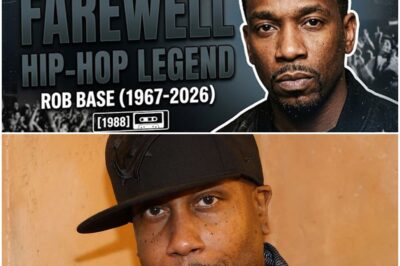
“It Takes Two” Legend Pumanaw: Mundo ng Hip-Hop Nagluksa sa Biglaang Pagkawala ni Rob Base
“It Takes Two” Legend Pumanaw: Mundo ng Hip-Hop Nagluksa sa Biglaang Pagkawala ni Rob Base Nagluksa ang mundo ng musika…

CONGRATULATIONS, ANGELIQUE AND DAVID!
“A Preview of the Best Day of Our Lives” — Angelique Manto at David Guison, Pinaiyak ang Netizens sa Kanilang…

VIDEO ni Alex Gonzaga SUMASAYAW habang BUNTIS ipinakita ni Toni Fowler!!
“Akala Mo Ako Yung Ama!” — Toni Fowler, Emosyonal sa Viral Video ni Alex Gonzaga Habang Ipinapakita ang Baby Bump…

KATRINA BINISITA SI KRIS SA BAHAY DAHIL MAY SAKIT
“Parang Bumilis Recovery Ko…” — Kris Lawrence, Kinilig ang Fans Matapos Alagaan ni Katrina Halili Habang May Sakit! Mga Sweet…
End of content
No more pages to load