
BEYOND THE BARS: THE FIGHT FOR CHANTAL ANICOCHE—WHY CONGRESSMAN TINIO IS RISKING EVERYTHING FOR A FIL-AM STUDENT’S FREEDOM!

The cold, sterile walls of a detention center are a world away from the vibrant lecture halls of a university, yet for Chantal Anicoche, this is the nightmare that has become her reality. A young Filipino-American student, full of promise and driven by a passion for social justice, now finds herself caught in the iron grip of a legal system that many claim is being used as a weapon of intimidation. But as the silence around her case began to grow deafening, a powerful voice pierced through the darkness. ACT Teachers Representative Antonio Tinio has officially stepped into the fray, and his demand is simple, sharp, and non-negotiable: “RELEASE CHANTAL ANICOCHE NOW!”
This is not just a story about a student in trouble. This is an investigative journey into the heart of a struggle between state power and student activism—a battle where the stakes are nothing less than the future of free speech in the Philippines.
The Mystery of the Arrest: A Targeted Takedown?
The circumstances surrounding the detention of Chantal Anicoche are shrouded in the kind of mystery that sends chills down the spines of activists. Why would a Fil-Am student, who moved across an ocean to connect with her roots, end up behind bars?
According to sources close to the investigation, Anicoche was not involved in a common crime. She was involved in the “crime” of empathy. Reports suggest she was conducting field research and community immersion—trying to understand the plight of the marginalized—when the heavy hand of the law descended.
Congressman Tinio, a veteran advocate for the rights of educators and students, isn’t buying the official narrative. He has characterized the arrest not as a routine legal procedure, but as a calculated act of harassment. > “To arrest a student for her beliefs and her service to the poor is an indictment of our democracy,” Tinio declared in an impassioned speech that has since gone viral. “Chantal is not a criminal; she is a mirror reflecting the realities we are too afraid to face.”
The Emotional Pulse: A Family’s Anguish, A Student’s Resolve
Behind the political headlines lies the raw, bleeding heart of a family torn apart. Chantal’s parents, watching from thousands of miles away in the United States, are living every parent’s worst nightmare. Their daughter, who they sent to the Philippines to learn about her heritage, is now a prisoner of a political climate they can barely comprehend.
But those who know Chantal speak of a girl with “steel in her spine.” Even from behind bars, messages have leaked out—whispers of a resolve that has not been broken. She is reportedly using her time in detention to document the stories of the women she shares a cell with, proving that even a cage cannot stop a teacher at heart.
This emotional weight is what Tinio is tapping into. He isn’t just citing laws; he is citing humanity. He is challenging the government to explain how the detention of a young woman serves the interests of the Filipino people.
The Investigation: Who Profits from Her Silence?
Why has the case of Chantal Anicoche become such a flashpoint? Our investigation reveals a deeper political play. By targeting a Filipino-American student, the state sends a terrifying message to the international community: Stay away. Do not look too closely at our struggles. Do not immerse yourselves in our poverty.
Tinio’s call for her release is an attempt to break this “Wall of Fear.” He is highlighting a pattern of “Red-tagging” and “Legal Front” accusations that have been used to silence critics for years. By demanding Chantal’s freedom, Tinio is effectively putting the entire system on trial.
If the government can hold a Fil-Am student without clear, iron-clad evidence of a violent crime, then who is safe? This is the question that Tinio is forcing every Filipino to ask. He is peeling back the layers of the bureaucracy to reveal a system that seems more interested in surveillance than service.
The Global Stakes: A Diplomatic Powder Keg
The arrest of Chantal Anicoche is no longer a local issue. It has evolved into a diplomatic ticking time bomb. As a Filipino-American, her detention has caught the eye of international human rights groups and student organizations across the globe.
Representative Tinio’s vocal stance has provided the spark for an international movement. From the campuses of California to the streets of Manila, the cry of “FREE CHANTAL” is gaining momentum. The Philippine government now finds itself in a precarious position: continue to hold a student and risk international condemnation, or release her and admit that the arrest was a mistake.
Conclusion: The Choice Before the Nation
The fight for Chantal Anicoche is a fight for the soul of the Philippine education system. When a teacher’s representative like Antonio Tinio has to spend his time demanding the release of students from prison, it tells us that the classroom has become a battlefield.
Tinio’s bravery in standing up for Chantal is a reminder that power is only as strong as the silence it can enforce. And right now, thanks to the noise generated by this movement, that silence is shattering.
Chantal Anicoche must be released. Not just because she is a student, not just because she is a Fil-Am, but because the foundation of a free nation is the right to think, to learn, and to care for the “least of our brothers” without the fear of a jail cell.
The clock is ticking. The evidence is lacking. The world is watching. Free Chantal Anicoche, and in doing so, free the conscience of a nation.
News

Mga Aktres na Pumanaw sa Edad na Halos 100 Years old!
Mga Alamat ng Pelikulang Pilipino na Pumanaw sa Katandaan: Nakakaiyak na Kuwento ng mga Aktres na Minsang Naghari sa Silver…

Tunay Na Rason Bakit Iniwan Sila Ng Unang Asawa!
Tunay Na Rason Bakit Iniwan Sila Ng Unang Asawa! Milyon-milyong mga Pilipino ang tumututok araw-araw sa buhay ng mga sikat…
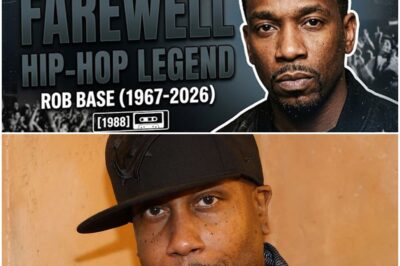
“It Takes Two” Legend Pumanaw: Mundo ng Hip-Hop Nagluksa sa Biglaang Pagkawala ni Rob Base
“It Takes Two” Legend Pumanaw: Mundo ng Hip-Hop Nagluksa sa Biglaang Pagkawala ni Rob Base Nagluksa ang mundo ng musika…

CONGRATULATIONS, ANGELIQUE AND DAVID!
“A Preview of the Best Day of Our Lives” — Angelique Manto at David Guison, Pinaiyak ang Netizens sa Kanilang…

VIDEO ni Alex Gonzaga SUMASAYAW habang BUNTIS ipinakita ni Toni Fowler!!
“Akala Mo Ako Yung Ama!” — Toni Fowler, Emosyonal sa Viral Video ni Alex Gonzaga Habang Ipinapakita ang Baby Bump…

KATRINA BINISITA SI KRIS SA BAHAY DAHIL MAY SAKIT
“Parang Bumilis Recovery Ko…” — Kris Lawrence, Kinilig ang Fans Matapos Alagaan ni Katrina Halili Habang May Sakit! Mga Sweet…
End of content
No more pages to load