
The Great Unmasking: The Hidden Blueprint of the New Ombudsman and the President’s Secret Mandate
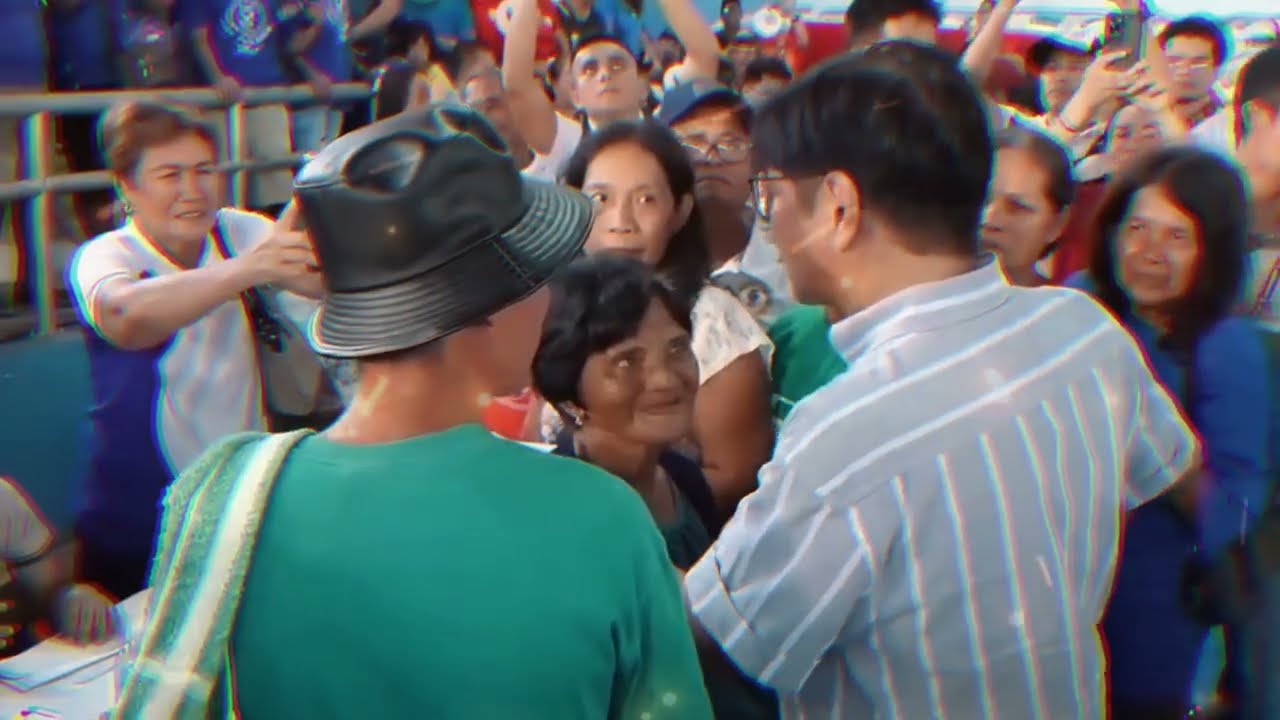
The marble corridors of Malacañang and the high-ceilinged halls of the Office of the Ombudsman have long been the theaters of Philippine political drama. But recently, a whisper began to circulate—a whisper that grew into a roar of speculation. The headline screamed across social media: “Ombudsman Mandremulya Unmasks President Bongbong Marcos.” To the casual observer, it sounded like a declaration of war. It sounded like the beginning of a scandal that would rock the foundations of the administration. But as the dust settles and the transcripts of the investigation emerge, the “unmasking” isn’t a betrayal. It is something far more dangerous to the corrupt, and far more hopeful for the citizen: the revelation of a cold, calculated, and systematic blueprint for public accountability.
The Secret Directive: Beyond the Soundbites
When Secretary Mandremulya stepped into the role of the nation’s chief graft-buster, the public expected the usual “textbook” promises: transparency, accountability, and swift justice. We have heard these words for decades, often used as a veil for inertia. However, the “reveal” lies in what the President whispered behind closed doors—instructions that have now been thrust into the light.
“Protect the accountability of public officers,” the President reportedly told his new Ombudsman. “It is what the people are searching for.”
This isn’t just political rhetoric. It is a mandate that shifts the Ombudsman from being a mere prosecutorial body to becoming the “Voice of the People.” The unmasking reveals an alignment between the Palace and the Ombudsman that focuses on “systematic fixes over theatrics.”
The Firewall of Privacy vs. The Right to Know
One of the most intense points of contention in this investigative journey is the handling of the SALN (Statement of Assets, Liabilities, and Net Worth). For years, these documents have been the “Holy Grail” for investigative journalists and the “Shield of Achilles” for nervous officials.
Mandremulya’s stance is a tightrope walk over a firestorm. He acknowledges the Data Privacy Law, a move that some critics call a “limitation.” But the deeper investigation reveals a more strategic reason: Safety. > “We don’t want the release of information to become a risk to the people… if an official has a lot of cash and we release everything without guidelines, it could lead to danger.”
But here is the “twist” in the transparency tale: The Ombudsman is calling for a Two-Way Street. If investigative journalists find a “smoking gun” through their own data-gathering, the Ombudsman isn’t just asking them to publish it—he is demanding they share it. “All findings should be shared with the Office of the Ombudsman so we are not left in a void,” Mandremulya insists. This is a call for a “crowdsourced” justice system where the media and the law work in a feedback loop.
Sorting the Mess: The “Firestorm” of Confidential Funds
Perhaps the most gripping part of this unfolding mystery is the handling of the House Committee Report on Vice President Sara Duterte’s confidential funds. The public has been waiting for a “bomb” to drop. The Ombudsman’s response? He is already in the midst of a “firestorm,” and he is sorting through the mess.
The blueprint for this investigation is not a “show trial” for the cameras. It is a clinical, four-step process:
Fact-Finding: Rapid validation of data.
Follow-Through: Moving cases involving Salary Grade 27 and above with surgical precision.
Refinement: Aligning with the DOJ to ensure no legal gaps exist for suspects to slip through.
Anti-Delay Tactics: Cracking down on the “motions, resets, and technicalities” that allow cases to rot in court for decades.
The Economic Reality of Justice
Why does this matter to the ordinary Filipino? The investigation into the Ombudsman’s new direction reveals a startling link to the economy. Investors crave predictability. A justice system that is slow and murky is a “governance risk” that keeps the country poor.
By “unmasking” the President’s push for a clean, fast-moving legal process, the administration is essentially trying to lower the “risk premium” of doing business in the Philippines. It is a realization that you cannot have a booming economy if the guardians of the law are asleep or for sale.
A Higher Law: The Spiritual Core of Integrity
As the investigation into these political shifts concludes, one cannot ignore the emotional and spiritual gravity Mandremulya brings to the table. In a world of “noise and accusations,” he points to a higher authority. He quotes the wisdom of James: “The wisdom from above is first of all pure, then peace-loving, considerate, submissive, full of mercy and good fruit, impartial and sincere.”
The “unmasking” of the administration’s direction ultimately leads to a sobering truth: Laws and blueprints are only as good as the hearts of the people who implement them. The Ombudsman is calling for more than just a change in “Time and Motion” studies; he is calling for a “surrender” to integrity.
The Verdict
Was President Bongbong Marcos “exposed”? Yes. But not as a conspirator in a scandal. He was exposed as a leader who has handed a sharp sword to an Ombudsman who refuses to use it for “theatrics.”
The “shock” isn’t a crime; it’s the sudden realization that the game has changed. The doors are opening, the process is being “re-engineered,” and the “case-to-decision window” is being forcibly shortened. For those who have lived in the shadows of corruption, the unmasking of this systematic blueprint is the most terrifying headline of all.
News

Mga Aktres na Pumanaw sa Edad na Halos 100 Years old!
Mga Alamat ng Pelikulang Pilipino na Pumanaw sa Katandaan: Nakakaiyak na Kuwento ng mga Aktres na Minsang Naghari sa Silver…

Tunay Na Rason Bakit Iniwan Sila Ng Unang Asawa!
Tunay Na Rason Bakit Iniwan Sila Ng Unang Asawa! Milyon-milyong mga Pilipino ang tumututok araw-araw sa buhay ng mga sikat…
“It Takes Two” Legend Pumanaw: Mundo ng Hip-Hop Nagluksa sa Biglaang Pagkawala ni Rob Base
“It Takes Two” Legend Pumanaw: Mundo ng Hip-Hop Nagluksa sa Biglaang Pagkawala ni Rob Base Nagluksa ang mundo ng musika…
CONGRATULATIONS, ANGELIQUE AND DAVID!
“A Preview of the Best Day of Our Lives” — Angelique Manto at David Guison, Pinaiyak ang Netizens sa Kanilang…

VIDEO ni Alex Gonzaga SUMASAYAW habang BUNTIS ipinakita ni Toni Fowler!!
“Akala Mo Ako Yung Ama!” — Toni Fowler, Emosyonal sa Viral Video ni Alex Gonzaga Habang Ipinapakita ang Baby Bump…

KATRINA BINISITA SI KRIS SA BAHAY DAHIL MAY SAKIT
“Parang Bumilis Recovery Ko…” — Kris Lawrence, Kinilig ang Fans Matapos Alagaan ni Katrina Halili Habang May Sakit! Mga Sweet…
End of content
No more pages to load