
THE GHOSTS OF EDSA: Is 2026 the Year the Philippines Repeats its Most Dangerous Mistake?
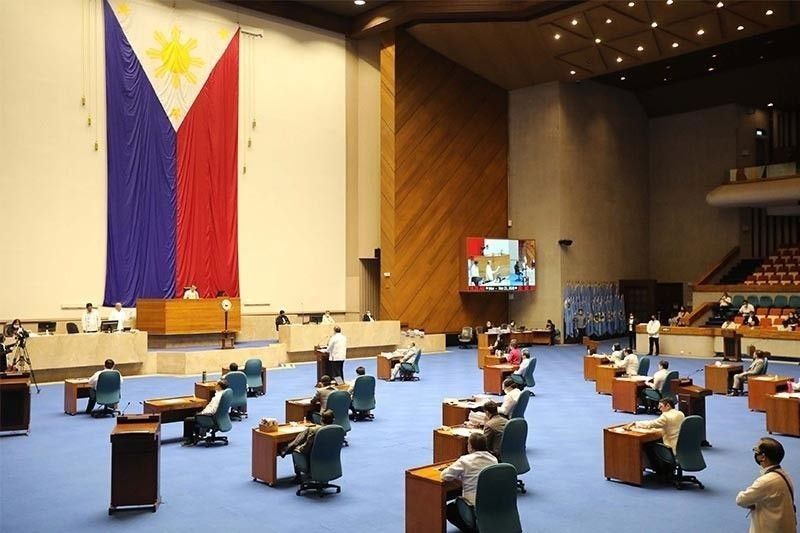
History is a relentless cycle, and in the Philippines, that cycle often tastes like a mixture of hope and heartbreak. As of January 10, 2026, the halls of Congress are shaking once again. The “BGC Boys” scandal, the flood control corruption, and the viral class-war comments from the elite have created a pressure cooker atmosphere that feels hauntingly familiar.
But as the “Marites” and political pundits call for a new revolution, an investigative look into our past—specifically the EDSA 2 revolution of 2001—reveals a chilling truth: We have seen this movie before, and the ending is not what you think.
This is a deep-dive into the “Comedy and Horror” of Philippine politics, the illusion of the “Quick Fix,” and why changing a President might just be the best thing to ever happen to the corrupt.
The 2001 Throwback: A Celebration of Chaos
To understand the danger of 2026, we must look at the footage from November 2000. The scene inside Congress was electric. You see the faces of the young titans: Manny Villar, Ralph Recto, Migz Zubiri. They were hugging, laughing, and clapping. They had just successfully transmitted the articles of impeachment against President Joseph “Erap” Estrada to the Senate.
To the millions watching, it looked like a victory for the people. The “Yellow” movement, led by Corazon Aquino and Fidel V. Ramos, promised that once Erap was gone, the Philippines would finally flourish. They promised that the “economic sinking” would stop and a new dawn of prosperity would arrive.
The Reality Check: Erap left Malacañang. Gloria Macapagal-Arroyo took the throne. But did the Philippines become the next Singapore? Did the poverty end? The investigation of history shows that while the faces in the palace changed, the 1987 Constitution—the very system that allows these cycles—remained untouched. We traded one master for another, but the cage remained the same.
The “Kengkoy” Cycle: Why We Keep Falling for it
In the Philippines, we are a people of high emotion. Our sympathy is easily won by a tearful Senate testimony or a viral video of an “independent” toddler in an airport. But this emotionality is our greatest weakness.
The investigation into the “EDSA 3” or “EDSA 4” whispers of 2026 shows a terrifying pattern of “Kengkoy” Politics (clownish politics). We treat the removal of a leader like a lottery win—as if the moment a President exits, the national debt vanishes.
1986 (EDSA 1): We celebrated the fall of Marcos. We sang “Kamusta Na.” But soon after, the country plunged into a decade of power crises and systemic instability.
2001 (EDSA 2): We celebrated the fall of Erap. We thought we won. But the administration that followed was haunted by its own set of massive corruption scandals (Hello, ZTE-NBN).
The 2026 Warning: If the current administration is toppled today because of the “BGC Boys” or “Flood Control” scandals, who wins? Not the people. The investigation suggests that the corrupt win. —
The “Absuelto” Protocol: Why the Corrupt Want a New Admin
Right now, in 2026, the current administration is reportedly hunting down corrupt syndicates within the DPWH and the “BGC Boys” network. This has made the corrupt “elite” desperate.
The mystery of the “Sudden Chaos” in Congress isn’t just about people power; it’s about Survival. If a President is ousted, the investigations stop. The court cases are reset. The “BGC Boys” get a “Get Out of Jail Free” card because a new administration will bring in new people who are more interested in their own “kickbacks” than in finishing old investigations.
“If BBM is gone, the corrupt are absolved.” That is the secret mantra being whispered in the dark corners of the Senate. The “Hayahay ang buhay” (life is easy) era returns for the plunderers while the people on the streets are left with nothing but the same old songs and the same empty pockets.
Conclusion: The System is the Problem, Not the Person
As we watch the video of Villar and Recto hugging in 2001, we must ask ourselves: Are we ready to be the audience of another “Nakakatawa” (funny) but “Nakakakilabot” (terrifying) comedy?
The investigation into the Philippine soul reveals that we are stuck in the 1987 Constitution’s loop. Changing the driver of a broken bus won’t get you to your destination if the engine is missing. Whether it is VP Sara or anyone else who sits on the throne next, the system remains a playground for the “top” while the “bottom” continues to fight for scraps.
We must stop being emotional and start being clinical. If we join the “calokohan” (nonsense) of another unconstitutional transition, we aren’t saving the Philippines—we are just hitting “Refresh” on a nightmare.
The Question for 2026: Will we continue to be the country that “evicts” its leaders every decade only to remain poor, or will we finally realize that the problem isn’t the man in the Palace, but the rules of the game?
News

Mga Aktres na Pumanaw sa Edad na Halos 100 Years old!
Mga Alamat ng Pelikulang Pilipino na Pumanaw sa Katandaan: Nakakaiyak na Kuwento ng mga Aktres na Minsang Naghari sa Silver…

Tunay Na Rason Bakit Iniwan Sila Ng Unang Asawa!
Tunay Na Rason Bakit Iniwan Sila Ng Unang Asawa! Milyon-milyong mga Pilipino ang tumututok araw-araw sa buhay ng mga sikat…
“It Takes Two” Legend Pumanaw: Mundo ng Hip-Hop Nagluksa sa Biglaang Pagkawala ni Rob Base
“It Takes Two” Legend Pumanaw: Mundo ng Hip-Hop Nagluksa sa Biglaang Pagkawala ni Rob Base Nagluksa ang mundo ng musika…
CONGRATULATIONS, ANGELIQUE AND DAVID!
“A Preview of the Best Day of Our Lives” — Angelique Manto at David Guison, Pinaiyak ang Netizens sa Kanilang…

VIDEO ni Alex Gonzaga SUMASAYAW habang BUNTIS ipinakita ni Toni Fowler!!
“Akala Mo Ako Yung Ama!” — Toni Fowler, Emosyonal sa Viral Video ni Alex Gonzaga Habang Ipinapakita ang Baby Bump…

KATRINA BINISITA SI KRIS SA BAHAY DAHIL MAY SAKIT
“Parang Bumilis Recovery Ko…” — Kris Lawrence, Kinilig ang Fans Matapos Alagaan ni Katrina Halili Habang May Sakit! Mga Sweet…
End of content
No more pages to load