
THE SENATE STAKEOUT: An Arrest Order for a Missing Senator?

In the hallowed, echo-filled halls of the Philippine Senate, a ghost is haunting the legislative process. As of January 10, 2026, a high-stakes political mystery has reached its boiling point. A sitting Senator—referred to by insiders under the cryptic veil of a “missing colleague”—has vanished from the physical halls of power, leaving a trail of unanswered texts, a busy district office, and a growing constitutional crisis.
In a sensational and rare revelation, the Senate leadership has hinted at an ancient, dormant power that could change the landscape of Philippine politics: The Senate Arrest Order. This is an investigative deep-dive into the “Vanishing Senator,” the failed “Group Chat” diplomacy, and the moment the Senate President may be forced to send the Sergeant-at-Arms to drag a legislator back to the floor.
The Investigation: Three Texts and a Wall of Silence
The mystery began quietly, nearly two months ago. While the nation’s attention was fixed on the “Bik” controversy and shifting alliances in General Santos City, the Senate’s internal “Group Chat” of 24 members fell silent on one end.
Senate leadership revealed a series of failed attempts to reach the missing Senator. “I texted him two or three times,” a high-ranking official admitted, “but I never received any reply.” The messages weren’t just about high-level policy; they were personal inquiries about family ties and shared histories. But in the world of power, silence isn’t just golden—it’s a signal.
The investigation shows that while the Senator’s physical chair remains empty, his office continues to churn out bills and opinions. It is a “Ghost Office”—fully functional, yet missing its heart. Comparisons have been drawn to the era of Trillanes or Senator Fernand, but those cases involved imprisonment or illness. This current disappearance is different. This is a deliberate “evasion” of a looming problem.
The Nuclear Option: “Arrest Him and Bring Him Here”
As the 2026 legislative calendar tightens, the Senate is approaching a “Crucial Vote” scenario. Under the ancient rules of the chamber—rules that date back to the time of Lorenzo Tañada and Jovito Salonga—the Senate President holds a “Nuclear Option” to maintain a quorum.
“The only time we can force a Senator to enter is if their vote is essential,” a Senate source confirmed. “We have the power to mandate the Senate President to seize, arrest the Senator, and bring him to the Senate to vote.”
This isn’t just theory; it has happened before. Insiders recall an instance during the term of “Manong Johnny” (Juan Ponce Enrile) where the majority leader had to track down missing senators to reach a 13-vote threshold. The instruction back then was clear: “Arrest them and bring them back here.” If a crucial Bicameral Conference or a national security vote falls short by one person, the Sergeant-at-Arms may be dispatched to locate the missing Senator and bring him to the floor in handcuffs if necessary.
The “Private Exit” and the Letter of Authority Mystery
The investigation has also uncovered a shift in Senate “Travel Protocols.” Back in 1992, a Senator couldn’t leave the country without a signed “Letter of Authority” from the Senate President. However, that rule was abolished during the term of Senator Drilon, making it easier for legislators to slip across borders unnoticed.
The Loophole: Unless a Senator is on “Official Business,” they are free to travel without notifying the leadership.
The Risk: If the missing Senator has fled abroad, he is officially “Beyond the Powers of the Senate.” Is the missing Senator still within the 7,100 islands, “dodging the problem” as leadership suggests, or has he utilized the “Drilon Loophole” to vanish into the international ether?
[Image: An empty mahogany desk in the Senate chamber, illuminated by a single spotlight, with a gavel resting nearby]
The “Each to His Own” Doctrine
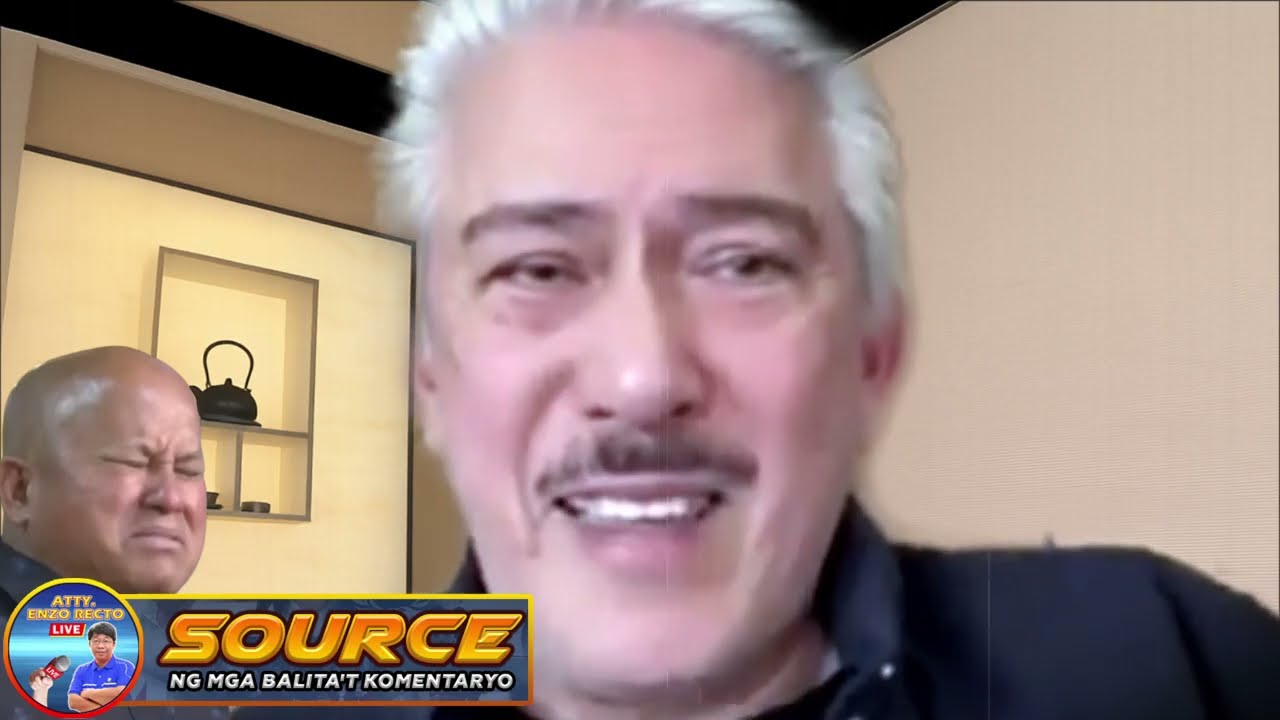
The most sensational aspect of this standoff is the Senate’s current “hands-off” approach. Despite the power to arrest, the leadership is currently operating under a “Lookout” policy.
“I don’t interfere with whether they enter or not,” the leadership stated. “He is evading a problem. Why should I force him if he’s dodging it? It’s his own lookout. He must answer to the people who voted for him.”
This “Each to His Own” doctrine is a dangerous game of political chicken. By allowing the Senator to remain absent, the Senate maintains a fragile peace. But the moment a vote becomes “Crucial,” that peace will shatter, and the Arrest Order will be signed.
Conclusion: The Looming Arrest
The story of the “Vanishing Senator” of 2026 is a testament to the shadows that haunt the halls of Philippine democracy. It is a tale of a legislator who wanted to match a record of “zero absences” only to end up with a record of “total disappearance.”
The office is running. The payroll is moving. But the Senator is gone. Whether he is “dodging a problem” or simply waiting for the political winds to shift, the clock is ticking. The Senate Sergeant-at-Arms is waiting for the word. And when that crucial vote arrives, the “Missing Senator” will find that there is nowhere in the Philippines far enough to hide from the mandate of the Senate President.
Do you believe the Senate should issue an arrest order now to ensure public accountability, or should the “Each to His Own” policy continue until a crucial vote is at stake?
News

Mga Aktres na Pumanaw sa Edad na Halos 100 Years old!
Mga Alamat ng Pelikulang Pilipino na Pumanaw sa Katandaan: Nakakaiyak na Kuwento ng mga Aktres na Minsang Naghari sa Silver…

Tunay Na Rason Bakit Iniwan Sila Ng Unang Asawa!
Tunay Na Rason Bakit Iniwan Sila Ng Unang Asawa! Milyon-milyong mga Pilipino ang tumututok araw-araw sa buhay ng mga sikat…
“It Takes Two” Legend Pumanaw: Mundo ng Hip-Hop Nagluksa sa Biglaang Pagkawala ni Rob Base
“It Takes Two” Legend Pumanaw: Mundo ng Hip-Hop Nagluksa sa Biglaang Pagkawala ni Rob Base Nagluksa ang mundo ng musika…

CONGRATULATIONS, ANGELIQUE AND DAVID!
“A Preview of the Best Day of Our Lives” — Angelique Manto at David Guison, Pinaiyak ang Netizens sa Kanilang…

VIDEO ni Alex Gonzaga SUMASAYAW habang BUNTIS ipinakita ni Toni Fowler!!
“Akala Mo Ako Yung Ama!” — Toni Fowler, Emosyonal sa Viral Video ni Alex Gonzaga Habang Ipinapakita ang Baby Bump…

KATRINA BINISITA SI KRIS SA BAHAY DAHIL MAY SAKIT
“Parang Bumilis Recovery Ko…” — Kris Lawrence, Kinilig ang Fans Matapos Alagaan ni Katrina Halili Habang May Sakit! Mga Sweet…
End of content
No more pages to load